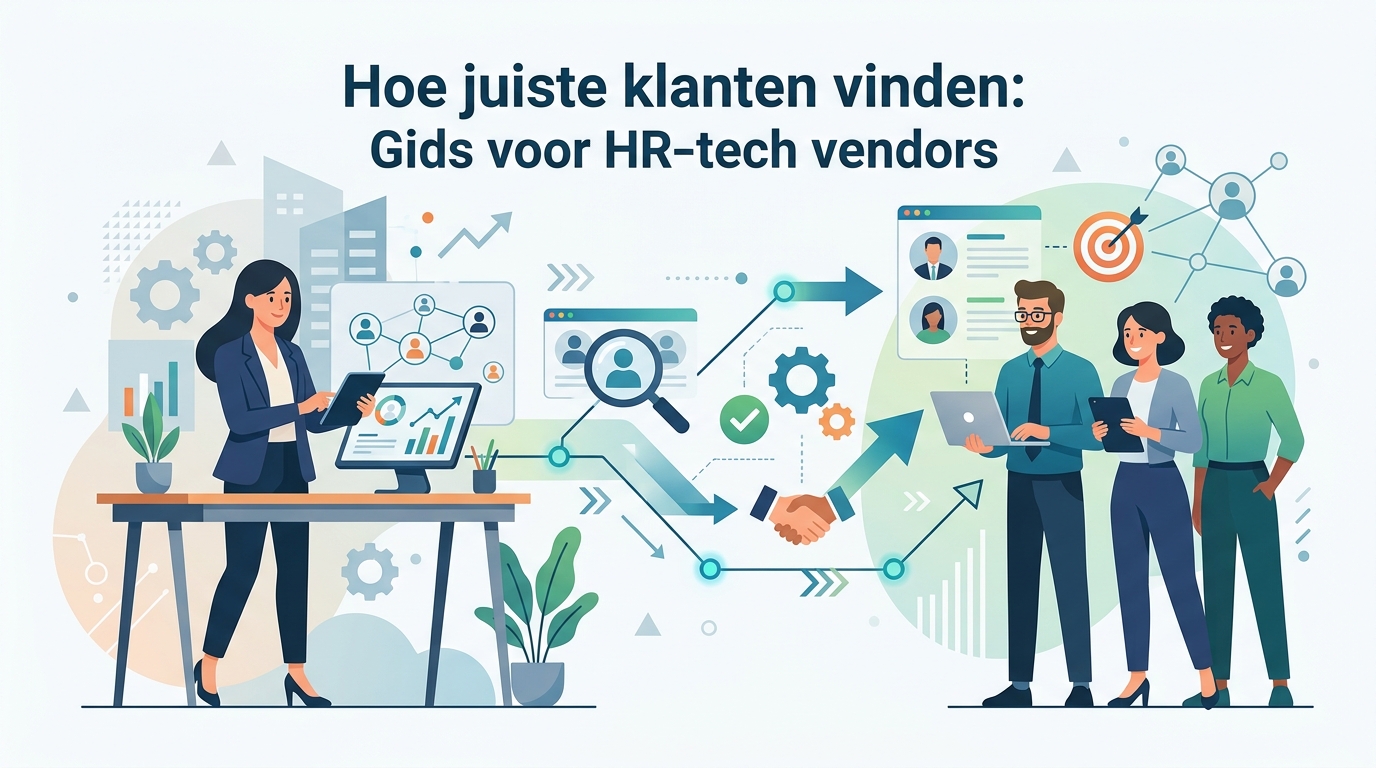
Het vinden van de juiste klanten is cruciaal voor de groei van elk bedrijf, inclusief HR-tech vendors die kwalitatieve leads zoeken. De sleutel tot succes ligt in het zorgvuldig definiëren van uw ideale klant en het strategisch inzetten van diverse wervingsmethoden, van netwerken tot doeltreffende online marketing.
De Essentie: Wie is uw Ideale Klant?
De eerste en meest fundamentele stap in het vinden van klanten is het bepalen wie uw ideale klant is [5, 6]. Zonder een helder beeld van uw doelgroep, is elke wervingsinspanning minder effectief. Dit proces is vergelijkbaar met daten; u zoekt het type klant dat perfect bij uw aanbod past [6].
Ontwikkel een Gedetailleerd Klantprofiel
Een gedetailleerd klantprofiel, vaak een 'buyer persona' genoemd, gaat verder dan demografische gegevens. Het omvat de behoeften, uitdagingen, doelen en gedragingen van uw potentiële klant. Stel uzelf de volgende vragen [1]:
Wat hoort uw klant? Welke trends, uitdagingen of frustraties hoort de HR-manager in zijn of haar organisatie? Wat ziet uw klant? Welke oplossingen of knelpunten zijn visueel aanwezig in hun werkomgeving of branche? Wat voelt uw klant? Welke emoties (stress, ambitie, onzekerheid) spelen een rol bij hun besluitvorming? Wat zegt en doet uw klant? Welke uitspraken doen ze, en welke acties ondernemen ze om hun problemen op te lossen?
Voor HR-tech vendors betekent dit het begrijpen van de specifieke pijnpunten van HR-professionals, zoals efficiëntieverbetering, talentacquisitie, employee experience of compliance. Door dit inzicht kunt u uw HR-software of -dienst perfect positioneren.
Inzicht
Tip voor HR-tech vendors: Overweeg klantprofielen te maken voor verschillende rollen binnen HR, zoals de HR-directeur (strategie), de HR-businesspartner (uitvoering) en de recruiter (specifieke tools).
Bepaal Waar uw Doelgroep Zich Bevindt
Zodra u weet wie uw ideale klant is, moet u bepalen waar deze zich bevindt [1]. Dit kan online zijn (welke sociale media, forums, vakwebsites) of offline (welke evenementen, beurzen, netwerkbijeenkomsten). Door uw aanwezigheid af te stemmen op de verblijfplaats van uw doelgroep, maximaliseert u uw zichtbaarheid en relevantie.
Effectieve Strategieën voor Klantenwerving
Er zijn talloze strategieën om nieuwe klanten te werven en uw bedrijf succesvol te laten groeien [2]. Een combinatie van diverse benaderingen levert vaak het beste resultaat op.
Benut uw Netwerk Optimaal
Uw netwerk is een krachtige bron voor nieuwe leads [4]. Dit omvat zowel uw persoonlijke als professionele contacten. Netwerken kan op verschillende manieren:
IRL Netwerken (In Real Life): Bezoek relevante branche-evenementen, beurzen en seminars. Actieve deelname aan discussies en het leggen van persoonlijke contacten kan deuren openen [4]. Online Netwerken: Platforms zoals LinkedIn zijn onmisbaar voor HR-tech vendors. Word lid van relevante groepen, deel waardevolle inzichten en engageer met potentiële klanten [4]. * Ambassadeurs: Tevreden klanten kunnen uw beste ambassadeurs zijn. Vraag hen om mond-tot-mondreclame of referenties. Een aanbeveling van een bestaande klant weegt vaak zwaarder dan koude acquisitie [4].
Online Zichtbaarheid en Leadgeneratie
In de huidige digitale wereld is een sterke online aanwezigheid essentieel voor het vinden van klanten. Met de juiste marketing verkoop je meer producten en diensten [5].
| Strategie | Beschrijving | Voordeel voor HR-tech vendors |
|---|---|---|
| Content Marketing | Het creëren en distribueren van waardevolle, relevante en consistente content (blogs, whitepapers, webinars). | Positioneert u als expert, trekt organisch HR-professionals aan die oplossingen zoeken voor hun uitdagingen. |
| SEO (Zoekmachineoptimalisatie) | Optimaliseren van uw website en content zodat deze hoog rankt in zoekmachines voor relevante zoektermen. | Zorgt ervoor dat HR-managers die actief zoeken naar HR-software uw oplossing vinden. |
| Social Media Marketing | Actieve aanwezigheid op platforms waar uw doelgroep zich bevindt (met name LinkedIn). Deel updates, interacteer. | Bouwt merkbekendheid en autoriteit op, faciliteert directe interactie met potentiële klanten en beïnvloeders. |
| E-mail Marketing | Het opbouwen van een e-maillijst en het versturen van gerichte, gepersonaliseerde content en aanbiedingen. | Directe communicatie met geïnteresseerde leads, nurturing van prospects richting conversie. |
Waardevolle Content als Magneet
Het aanbieden van gratis, waardevolle content is een effectieve manier om leads aan te trekken. Denk aan e-books over de implementatie van HR-software, checklists voor het selecteren van een ATS, of webinars over de nieuwste trends in HR-analytics. Deze content helpt niet alleen uw doelgroep, maar verzamelt ook waardevolle contactgegevens voor uw salesfunnel.
Praktische Aanpakken voor HR-tech Vendors
Specifiek voor de HR-tech sector zijn er gerichte benaderingen die leiden tot kwalitatieve leads.
Expertise Delen en Vertrouwen Opbouwen
Als HR-tech vendor bent u expert in uw vakgebied. Deel deze expertise actief. Geef presentaties op HR-congressen, organiseer workshops over specifieke HR-uitdagingen die uw software oplost, of publiceer gastartikelen in vakbladen. Dit bouwt geloofwaardigheid en vertrouwen op, wat essentieel is in een complexe besluitvormingsomgeving zoals de aanschaf van HR-software. Overweeg ook om uw oplossingen te presenteren op platforms die diepgaande vergelijkingen bieden, zoals onze pagina over HR software selectie.
::: Tip: Focus op de oplossing voor een HR-probleem, niet alleen op de features van uw software. Hoe maakt uw tool het leven van HR-professionals gemakkelijker of hun organisatie succesvoller? :::
Partnerschappen en Samenwerkingen
Zoek strategische partnerschappen met consultancybureaus, accountantskantoren of andere tech-bedrijven die een complementair aanbod hebben. Dit kan leiden tot wederzijdse leadgeneratie en het bereiken van nieuwe doelgroepen die al vertrouwen hebben in uw partner.
Meet, Analyseer en Optimaliseer
Succesvolle klantenwerving is geen eenmalige actie, maar een continu proces van meten, analyseren en optimaliseren. Elke strategie, of het nu gaat om online advertenties of netwerkevenementen, moet worden geëvalueerd.
De Kracht van Data-gedreven Beslissingen
Volg welke kanalen de meeste en meest kwalitatieve leads genereren. Gebruik CRM-systemen en marketing-automatiseringstools om de customer journey te volgen. Door te analyseren welke aanpakken het meest effectief zijn, kunt u uw middelen efficiënter inzetten en uw strategieën verfijnen. Dit is vooral relevant voor geavanceerde oplossingen zoals HR analytics tools, die inzicht geven in de effectiviteit van HR-processen en daarmee ook de waarde van uw eigen HR-tech oplossing.
::: Stat: Bedrijven die hun marketinginspanningen nauwkeurig meten, zijn doorgaans beter in staat om hun ROI te verbeteren en hun klantenbestand gestaag uit te breiden. :::
Bouw aan Langdurige Relaties
Het vinden van klanten is slechts het begin. Het behouden van klanten en het opbouwen van langdurige relaties is minstens zo belangrijk voor duurzaam succes.
Van Klant naar Ambassadeur
Een tevreden klant is een terugkerende klant en, nog belangrijker, een potentiële ambassadeur [4]. Zorg voor uitstekende klantenservice, blijf waarde leveren en onderhoud proactief contact. Vraag om feedback en gebruik deze om uw product of dienst continu te verbeteren. Mond-tot-mondreclame van ambassadeurs is een van de meest krachtige en kosteneffectieve manieren om nieuwe, kwalitatieve klanten aan te trekken.
Veelgestelde vragen
Wat is het belangrijkste bij het vinden van nieuwe klanten?
Het allerbelangrijkste is het definiëren van uw ideale klant (buyer persona) en hun behoeften, voordat u start met wervingsactiviteiten [5, 6]. Dit zorgt voor gerichte en effectieve inspanningen.
Hoe kan ik mijn ideale klant definiëren?
U definieert uw ideale klant door te onderzoeken wat zij horen, zien, voelen en zeggen. Dit omvat hun demografie, uitdagingen, doelen en gedragingen, specifiek toegespitst op de problemen die uw HR-tech oplossing kan verlichten [1].
Welke online kanalen zijn effectief voor klantenwerving?
Effectieve online kanalen zijn onder andere LinkedIn (voor B2B HR-tech), uw eigen website (geoptimaliseerd voor SEO), content marketing (blogs, whitepapers) en gerichte e-mailcampagnes [4, 5].
Hoe belangrijk is netwerken bij het vinden van klanten?
Netwerken is zeer belangrijk [4]. Zowel online (via professionele platforms) als offline (op beurzen en evenementen) contacten leggen kan leiden tot waardevolle leads, referenties en partnerschappen.
Moet ik me richten op een breed publiek of een niche?
Voor HR-tech vendors is het vaak effectiever om zich op een specifieke niche of segment te richten. Dit stelt u in staat om uw boodschap en oplossing preciezer af te stemmen op de unieke behoeften van die groep, wat resulteert in hogere conversies.
Hoe meet ik het succes van mijn klantenwervingsstrategieën?
Meet het succes door belangrijke prestatie-indicatoren (KPI's) te volgen, zoals het aantal gegenereerde leads, de kwaliteit van de leads, de conversieratio, en de kosten per acquisitie. Gebruik CRM-systemen en analysetools om inzicht te krijgen in de effectiviteit van elke strategie.
Volgende stappen
- Verfijn uw Klantprofielen: Investeer tijd in het diepgaand begrijpen van uw ideale HR-klant.
- Diverse Strategieën Implementeren: Combineer netwerken, content marketing en online zichtbaarheid om een breder bereik te creëren.
- Meet en Optimaliseer Continu: Gebruik data om uw wervingsinspanningen te evalueren en bij te sturen.
- Vraag Advies: Behoefte aan specifieke begeleiding bij het selecteren van de juiste HR-tech strategieën? Ontvang gratis HR-tech advies van onze experts.
Bronnen
- Hoe kom je aan klanten als startende ondernemer? - StartersHub
- 50 strategieën om succesvol nieuwe klanten te werven - Provite
- #10 Ga op zoek naar klanten | 10 stappen naar een eigen bedrijf
- Hoe kom ik aan klanten? Klanten vind je zo - Vlinderss
- [[PDF] 7 bewezen manieren om klanten te vinden](https://production-site-nl.kvk.bloomreach.cloud/binaries/content/assets/kvkwebsite-nl/categorie/marketing/whitepaper-bewezen-manieren-om-klanten-te-vinden.pdf)
- Klanten vinden als zelfstandige: zo pak je het aan - Xerius